There are several reasons why you might be looking at a property outside your state — relocating, buying a vacation home, making an investment, or purchasing for children. Buying a house is never easy, and the process can be even more challenging when you’re not local. Managing it remotely requires extra time, money, and careful planning. Here are 10 tips to help you navigate buying a house from afar.
1. Hire a Good Agent
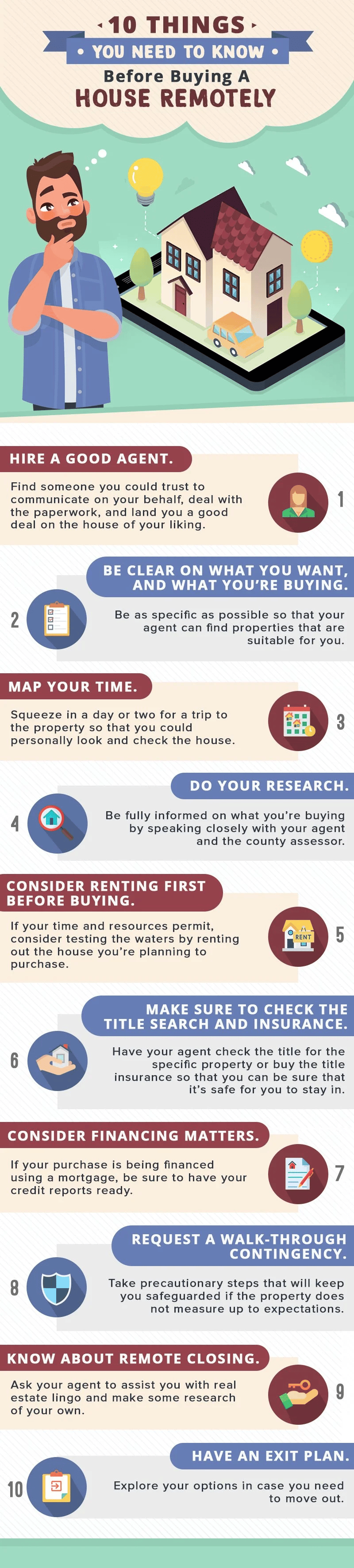
A skilled agent acts as your proxy, handling nearly the entire home-buying process for you. They communicate with sellers, manage paperwork, explain real estate jargon, and negotiate deals. For out-of-state purchases, it’s crucial to research and interview potential agents to ensure smooth communication. For guidance on questions to ask, see How To Choose The Right Real Estate Broker.
2. Be Clear on What You Want
Create a detailed list of your preferences, including home features, aesthetics, layout, and neighborhood considerations. Specify proximity to schools, hospitals, or tranquility needs. Include items you expect in the sale, such as fencing, shelters, livestock pens, or existing leases. Clear expectations help your agent narrow down suitable properties efficiently.
3. Map Your Time
Plan your schedule to allocate time for property visits if possible. If travel isn’t feasible, prioritize meetings with your agent and lawyer to ensure the transaction progresses smoothly, even if you can’t be physically present.
4. Do Your Research
Remote buying requires thorough research. Prioritize areas with healthy housing markets and strong local economies to reduce financing risks. Visit the county assessor’s office (or have your agent do so) to verify property details and tax obligations. For rural properties, consult the County USDA Farm Service (FSA) office for conservation issues, pond construction, wildlife habitat, and other rural-living concerns.
5. Consider Renting First
If possible, rent the property before buying. Spending at least six months in the home allows you and your family to adapt to the lifestyle and verify that the property suits your needs. Paula Pant from AffordAnything.com recommends this approach for buy-and-hold real estate investments.
6. Check the Title and Insurance
Title checks and insurance are critical, especially for rural properties. Ensure the land is not a dump site or encumbered by liens. Title insurance protects your ownership rights and confirms the seller legally owns the property.
7. Consider Financing Matters
If using a mortgage, prepare your credit reports and understand financing rules. Financing for investment properties may require a down payment exceeding 20%, as mortgage insurance often doesn’t cover such purchases. Plan accordingly to secure the best terms. See Bankrate’s guide on financing investment property.
8. Request a Walk-Through Contingency
Include a walk-through contingency in your contract if you haven’t physically seen the property. This protects you if the property doesn’t meet expectations. Note that sellers may charge a higher price for agreeing to this contingency.
9. Know About Remote Closing
Remote closings require understanding complex purchase paperwork and locating a mobile notary. Work closely with your agent, lender, or title company to coordinate documents and deadlines. Doing your own research on closing procedures ensures nothing is overlooked. See learning real estate lingo for guidance.
10. Have an Exit Plan
Prepare for unexpected moves by assessing whether renting or selling the property provides the best return on investment. Discuss options with your agent to make informed decisions that maximize your financial outcome.