This health crisis doesn't seem to have an end date yet, so aside from adjusting to our “new normal” (a.k.a. self-isolation and staying at home), we also have to prepare for an uncertain future.
This is why we can never go wrong with building up extra cash or filling up our emergency fund. Because you’re staying at home all day, it’s highly likely that you’re relying more heavily on utilities. You’re cooking more frequently, family members are glued to their screens more often, and you may have also opted to work from home.
This time is also a good opportunity to start learning and practicing more eco-friendly household habits to save water, energy, and even on your monthly food expenses. Having a little cash cushion is rewarding, especially when things start to return to normal and you see how much has been saved in just a short time.
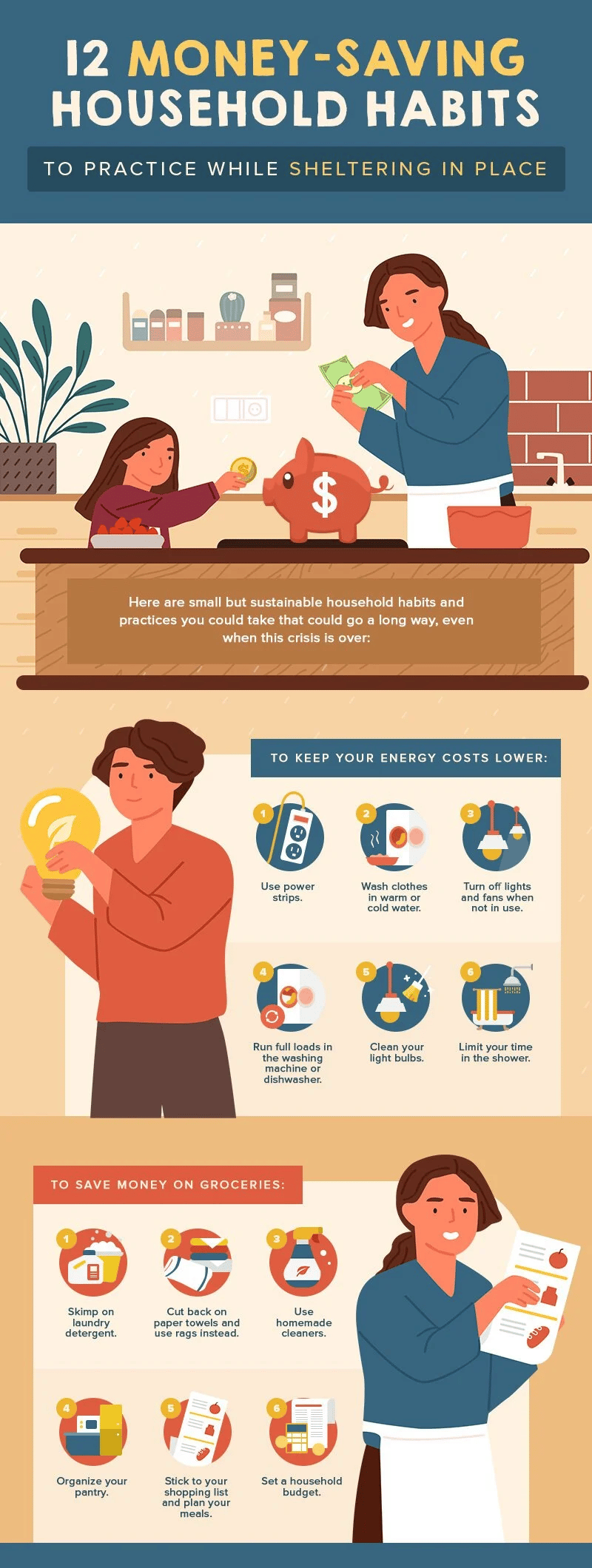
Here are small but sustainable household habits and practices you could take that could go a long way, even when this crisis is over:
To Keep Your Energy Costs Lower:
1. Use Power Strips
Appliances like computers, coffee makers, video game consoles, DVD players, and phone chargers are called vampire appliances—they consume power even when turned off but still plugged in. According to the Department of Energy, vampire appliances account for 10% of energy used in an average home.
Stop this slow money burn by unplugging them when not in use, or better yet, connect them to easy-to-switch-off power strips. Reducing your phantom load means less wasted electricity and more energy savings.
2. Wash Clothes in Warm or Cold Water
Unless washing clothes for someone sick or a frontliner, switch from hot to warm water to cut energy use in half. Cold water works just as well with most detergents and saves even more money.
3. Turn Off Lights and Fans When Not in Use
With family members home all day, remind everyone to turn off lights and fans when not needed. Small habits like this can significantly reduce monthly energy costs.
4. Run Full Loads in the Washing Machine or Dishwasher
Maximize water and energy efficiency by running full loads. If there aren’t enough dishes or clothes, hand wash only what you need.
5. Clean Your Light Bulbs
Dirty bulbs emit 30% less light than clean ones. Dust both bulbs and fixtures regularly to get the light you’re paying for.
6. Limit Your Time in the Shower
Long showers waste water and money. Set a timer, limit shower time, or turn off the water while applying conditioner.
To Save Money on Groceries:
7. Skimp on Laundry Detergent
You usually only need about a tablespoon of detergent per regular load. Using more can cause residue buildup and damage appliances while wasting money.
8. Cut Back on Paper Towels and Use Rags Instead
Paper towels add up. Save them for greasy or messy cleanup and use cotton rags or repurposed old clothes for general cleaning. Wash them in batches to save more.
9. Use Homemade Cleaners
When commercial cleaners are scarce, DIY cleaners using vinegar, baking soda, lemon/lime juice, and essential oils are effective, cheaper, and safe. Online recipes can disinfect and leave your home smelling fresh.
10. Organize Your Pantry
Well-organized cabinets prevent duplicate purchases and reduce waste. Group items by category and keep essentials visible to track stock levels easily.
11. Stick to Your Shopping List and Plan Meals
Plan grocery trips carefully—avoid impulse buying and stock only what’s needed. Meal planning reduces food waste and maximizes your pantry items.
12. Set a Household Budget
Create a “quarantine budget” to monitor spending during lockdown. Allocate extra funds to an emergency fund since the crisis duration is uncertain. With everyone at home, involve the family in finding ways to save money collectively.
This approach not only helps you save money during the pandemic but also builds sustainable habits that continue long after the crisis.