
Purchasing your first home can be the largest financial decision of your life, but it can also be an exciting milestone. While a trusted realtor can offer invaluable advice, only you can determine how much you can truly afford. Overlooking key details of your finances can lead to mistakes, so be careful and let this list guide you toward making informed decisions.
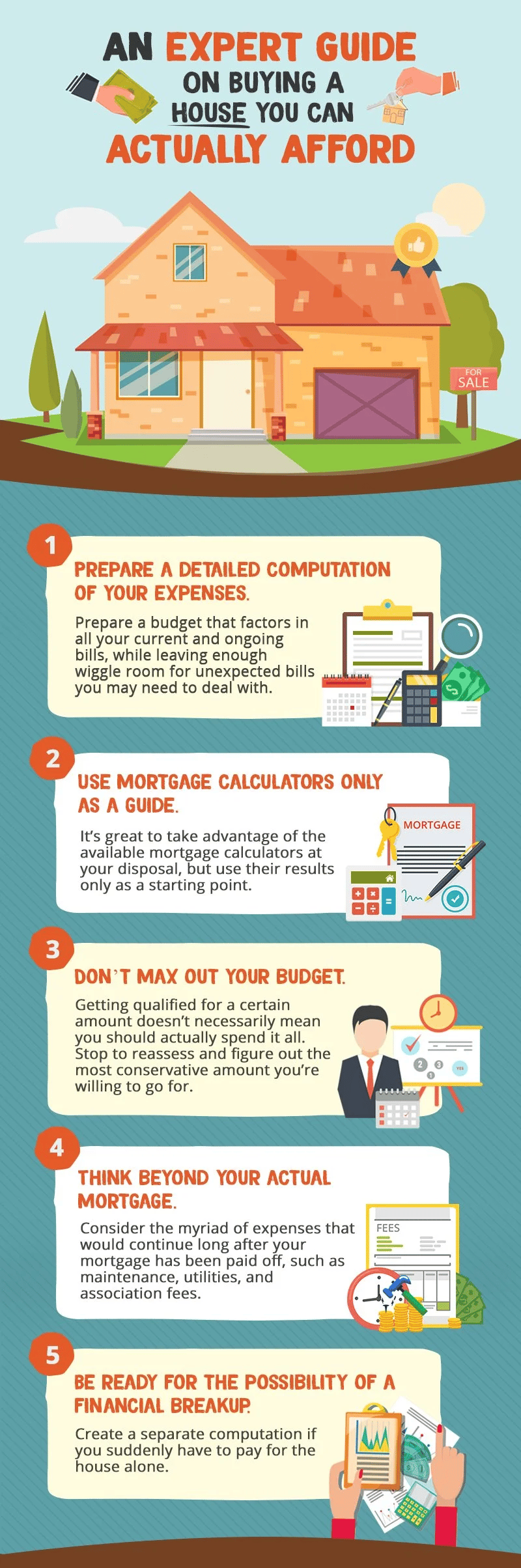
1. Prepare a Detailed Computation of Your Expenses
Start by creating a budget that accounts for all your current and ongoing bills, leaving wiggle room for unexpected expenses. Avoid relying on outdated rules like buying a home priced two to three times your gross income, as this often ignores debts and family expenses. Include every monthly cost — credit cards, student loans, car payments, savings, and even date nights. Allocate a fixed amount for each to determine exactly how much you can comfortably spend on homeownership.
2. Use Mortgage Calculators Only as a Guide
Mortgage calculators are a helpful starting point, but they rarely account for your full financial picture. Consider how future life changes — like having a baby or attending graduate school — might affect your cash flow. Many calculators overestimate affordability, so a practical approach is to reduce the suggested figure by 20% to arrive at a more realistic budget.
3. Don’t Max Out Your Budget
Being approved for a mortgage doesn’t mean you should spend the full amount. Homeownership costs are variable, and property taxes or insurance can increase over time. Make sure your budget allows for flexibility, so you can comfortably cover expenses even if costs rise in future years.
4. Think Beyond Your Actual Mortgage
Homeownership includes more than just mortgage payments. Factor in maintenance, utilities, association fees, and other recurring costs — many of which are likely to increase over time. Understanding the full financial picture ensures you’ll be comfortable managing all these simultaneous expenses.
5. Be Ready for the Possibility of a Financial Breakup
While separation may seem unlikely, it’s wise to plan for the unexpected. Consider whether you could cover your mortgage alone if your spouse loses a job or cannot contribute temporarily. This planning protects you from overextending your finances and helps avoid risky loans.