Summer is almost over in most parts of the country. Soon, the leaves will turn all sorts of lovely colors and a cool breeze will fill the air. For homeowners, fall is also the time to do some crucial lawn and yard maintenance.
Cleaning up your yard in the fall can provide a plethora of benefits—from keeping unwanted pests away to giving your lawn and landscaping a lush head start come spring. Use this checklist as your guide to help you tackle a couple of tasks a day. And if you can get started early and do them regularly, it'll be better to avoid getting overwhelmed when the busy holiday season draws near.

1. Rake Fallen Leaves Regularly

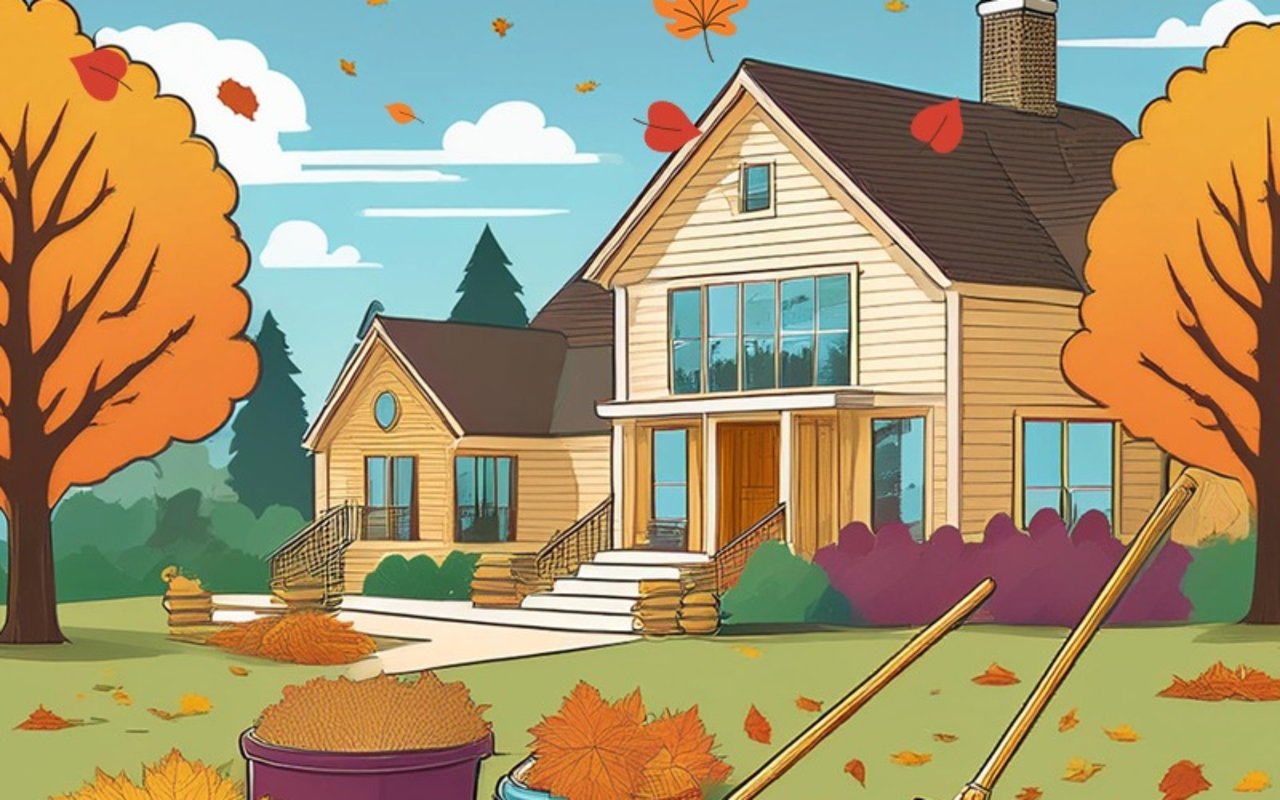
Raking leaves may seem endless, especially with fresh layers piling up on the ground every minute. But it's probably the only crucial task to do even just a little bit every day before winter.
Dead leaves, acorns, and other debris that sit on your lawn for too long can smother the grass, prevent growth, or cause a build-up of mold or bacteria that can cause damage. If left over the winter, they can become a heavy, wet barrier that promotes rot and prevents your grass from breathing properly. Also, mice and other pests can find a safe haven under those leaves and weeds. Staying on top of raking will not only make the job much less stressful but will also prevent problems with your yard’s drainage.
2. Clear Out Garden Beds and Put Away Plant Accessories

Fall cleanup is a great way to get your garden ready for winter. Remove all plant debris before the ground freezes or after the final harvest of the year to help prevent insects and diseases from returning stronger the following spring.
As you clear out leaves and weeds, put away garden items such as labels, stakes, cages, and trellises. Clean them to kill any infections and store them so they’ll be ready to reuse next year.
3. Remove Weeds Thoroughly

Common lawn weeds are tough and will start proliferating as temperatures cool in the fall. Any weeds that didn’t die during the summer will come back stronger next spring. Thorough and regular weeding now means fewer problems in the spring.
4. Add a Fresh Layer of Mulch

After cleaning your garden beds, apply a healthy layer of mulch on plant beds and around trees, shrubs, perennials, and annuals. Mulch helps keep plants warmer, protects roots from cold, prevents soil erosion, and suppresses weeds.
Organic options include straw, grass clippings, mulched leaves, and pine needles, which also add nutrients back into the soil.
5. Keep Your Trees and Shrubs Hydrated

Winter conditions can be harsh and dry. Providing adequate water for trees and shrubs, whether newly planted or established, helps them withstand winter and avoid root damage. If there is no snow or rain, keep them hydrated to ensure a strong return in spring.
6. Prune Dead Branches and Limbs

Removing dead or damaged branches in fall prevents liability in winter. Heavy snow or wind can break dead limbs, causing damage to property.
Inspect trees, trim overgrowth, and cut cracked, loose, or diseased limbs close to the trunk. Prune spring-blooming perennials like lilacs and shrubs prone to ice damage, but avoid cutting healthy branches.
7. Continue Mowing Your Lawn

Frequent mowing in fall helps your lawn finish strong for the year, grow lush in spring, control weeds, and prevent matting, which can lead to fungus like snow mold.
8. Empty Porch Pots and Containers

Winter can damage containers, especially terra cotta pots. Clean them, then store in a dry area such as a shed or garage. If indoor storage isn’t available, empty pots, store upside-down against the house, and cover with a tarp.
9. Clean and Organize Your Gardening Tools and Gear

Before storing tools for winter, clean hand tools, shovels, sprayers, and mower blades. Sharpen blades, coat them with vegetable oil to prevent rust, and ensure everything is ready for spring gardening.
10. Drain Hoses and Irrigation Systems

Drain water from hoses, sprinklers, and drip systems before freezing weather sets in. Standing water can freeze, causing cracks and potential damage to your home’s foundation or other costly structural problems.