Wondering what daily life in Alpharetta really feels like? Maybe you want walkable restaurants on Friday, youth sports on Saturday, and an easy spot for errands on Sunday. You’re not alone. Alpharetta blends a lively, modern town center with classic suburban neighborhoods, so you can shape a routine that fits your week. In this guide, you’ll get a clear picture of neighborhoods, housing styles and lot sizes, parks, schools, and commuting realities to help you decide if it matches your lifestyle. Let’s dive in.
Alpharetta at a glance
Alpharetta sits in northern Fulton County within the Atlanta metro. It serves as both a residential suburb and a regional commercial and tech hub. You’ll find a walkable historic core, major mixed-use centers, and family-focused parks and events coordinated by the City of Alpharetta. The result is a suburban city with a busy local calendar and convenient services.
Neighborhood vibe shifts fast
The feel of Alpharetta changes within a few miles. Downtown and Avalon are more walkable, while many surrounding areas are classic, car-dependent suburbs. Plan to explore by car, then park and stroll in the town centers.
Downtown Alpharetta
Downtown offers a compact, pedestrian-friendly grid with restaurants, bars, coffee shops, and boutiques. Many residents head here for weekend dining, small concerts, festivals, and farmers markets. Older single-family neighborhoods with mature trees and smaller lots sit just beyond the core. It’s a relaxed place to spend a morning or a date night.
Avalon and North Point
Avalon is a large, modern mixed-use district with national retailers, restaurants, office space, and residences. It has an upscale town-center feel with plenty of on-site entertainment. The broader North Point area and the GA 400 corridor include malls, big-box retail, and office parks. These hubs draw both locals and commuters for shopping and dining.
Parks and the Greenway
If you like the outdoors, the Big Creek Greenway runs through Alpharetta with multi-use trails for walking, running, and biking. Wills Park features sports fields, an equestrian center, a community center, and seasonal activities. Youth sports and weekend trail time are part of the routine for many families.
Housing and lot sizes
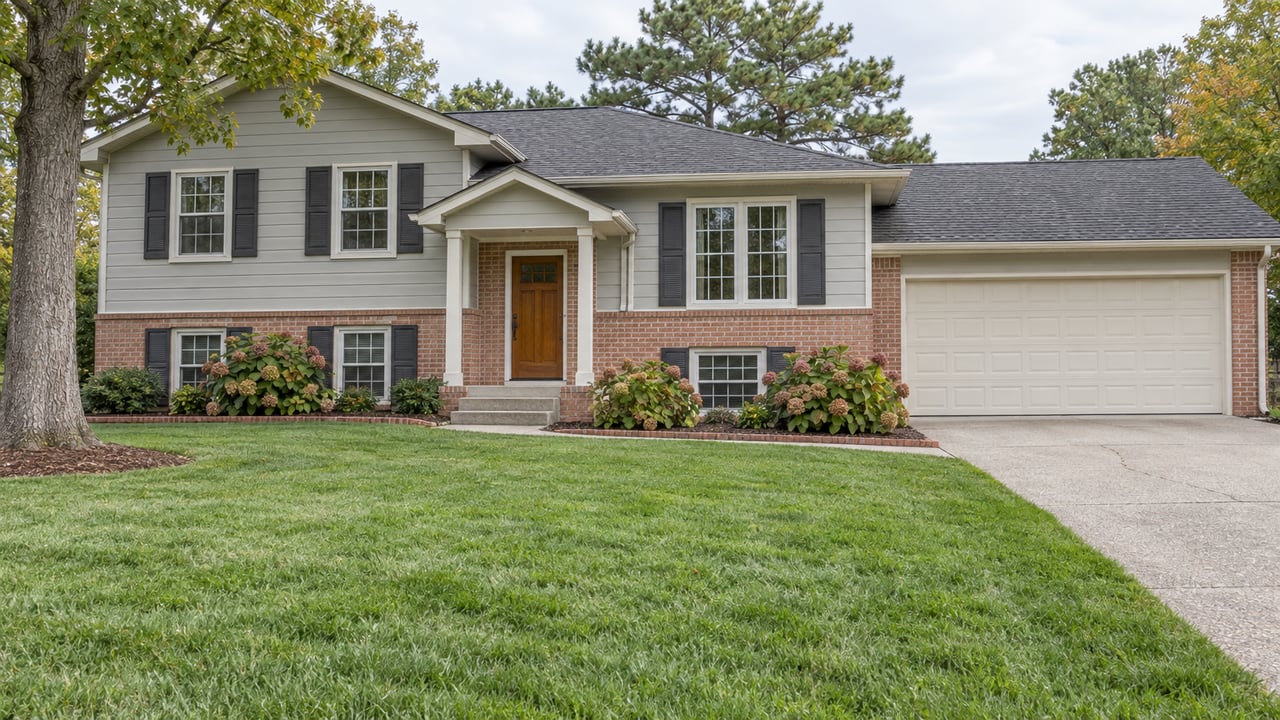
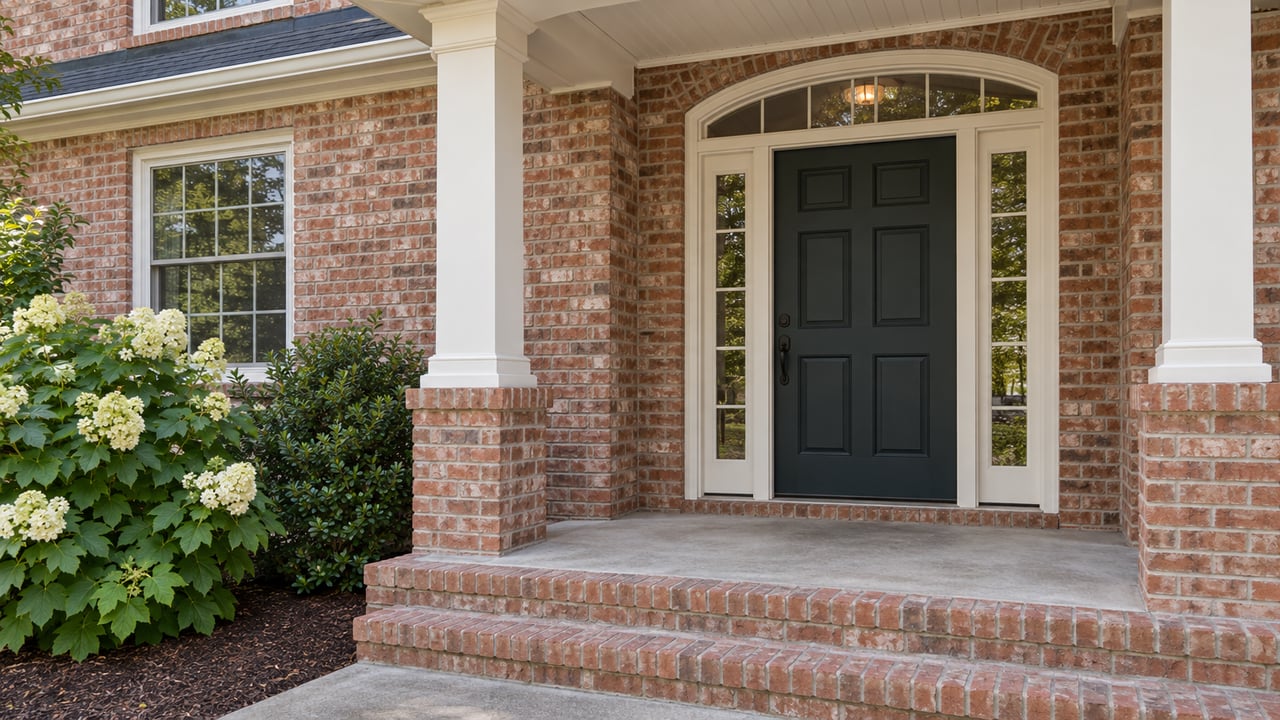
Alpharetta’s housing is diverse, but single-family homes are most common. You’ll also see more townhomes and condos near downtown, Avalon, and other mixed-use areas.
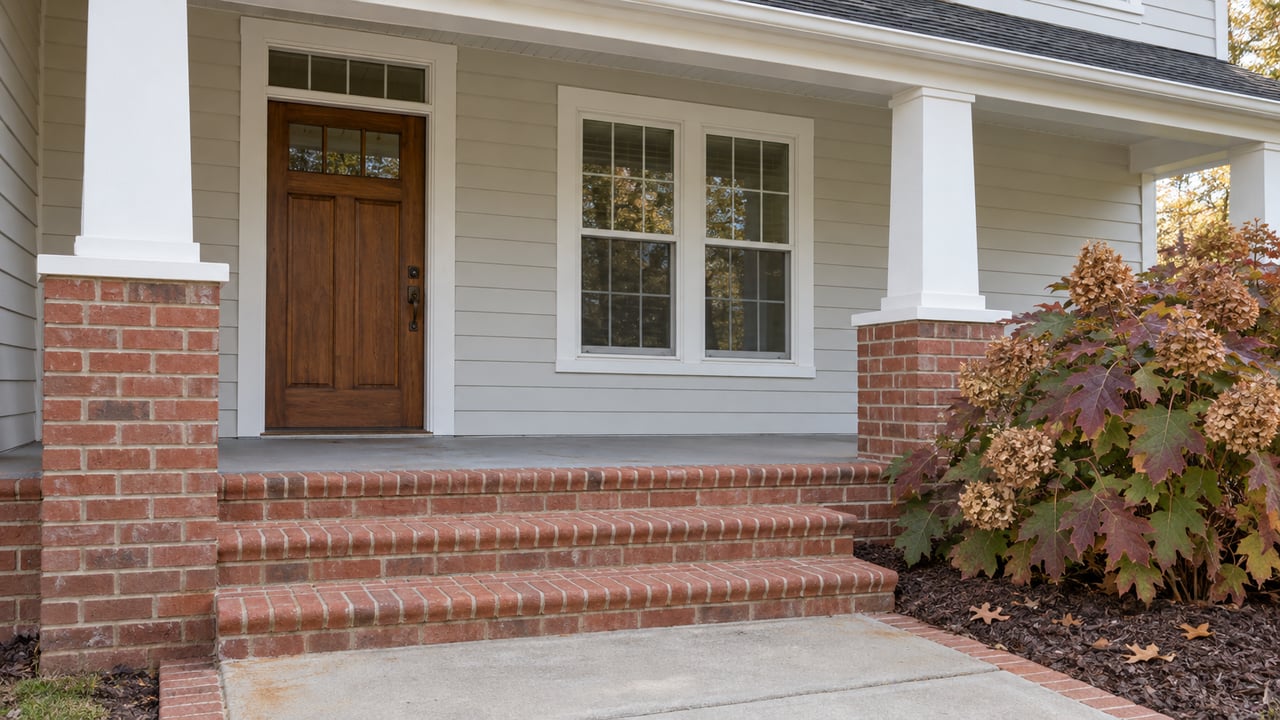
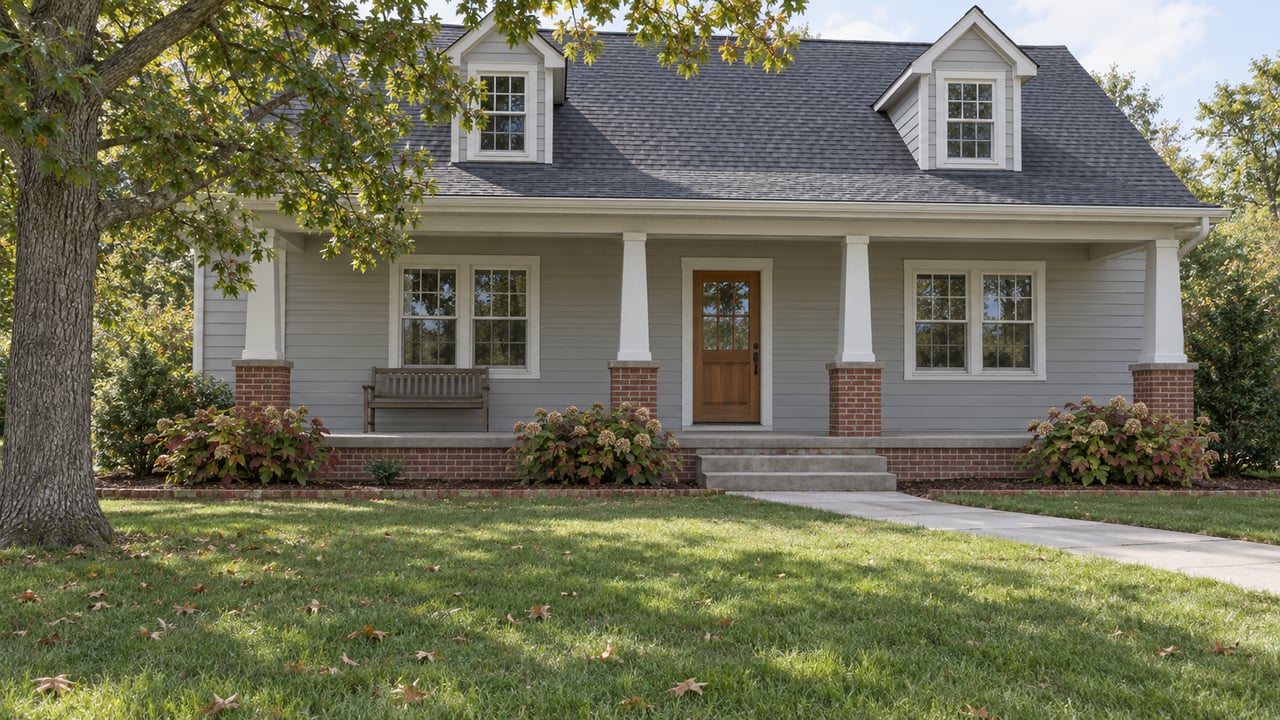
- Single-family homes: Traditional and Craftsman styles are popular, with some ranch homes in older areas and modern builds in newer subdivisions.
- Townhomes and condos: Often lower maintenance and close to shopping and dining hubs.
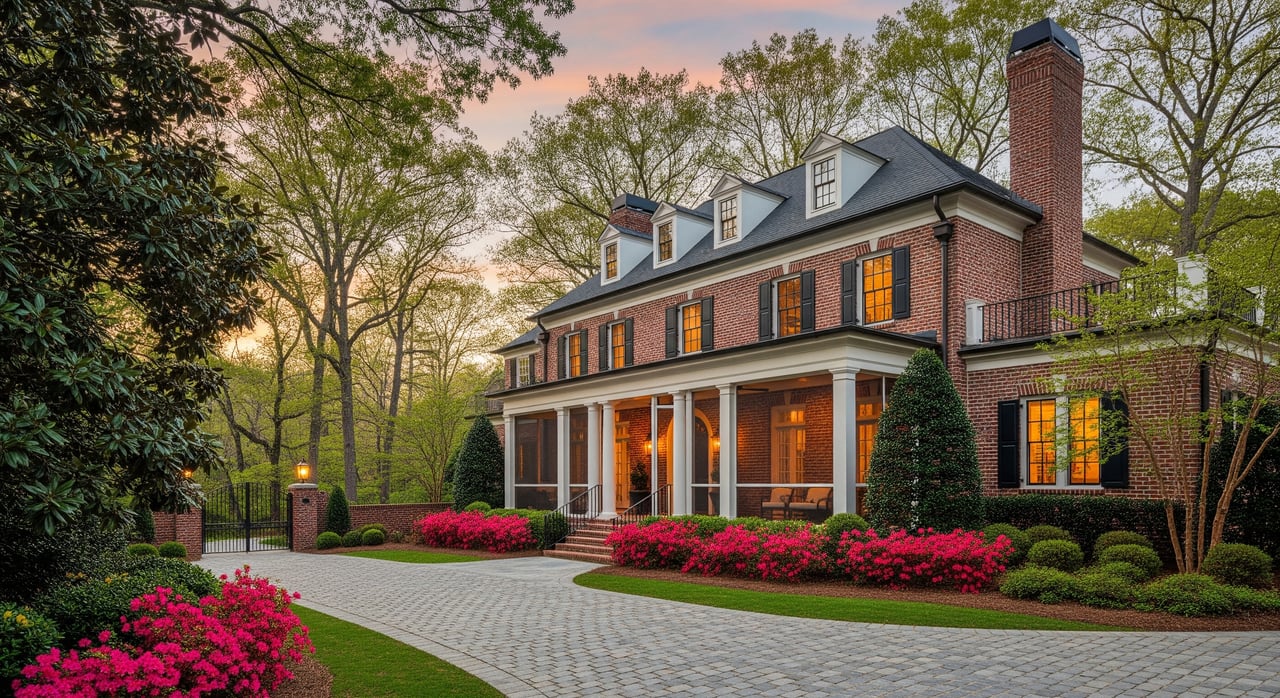
- Luxury and estate homes: On the edges of the city and into nearby Milton, with larger lots and custom builds.
Typical lot sizes vary by neighborhood age and price point:
- Townhomes/condos: Very small private outdoor spaces, often under 0.1 acre.
- Most single-family subdivisions: About 0.2 to 0.7 acres.
- Older downtown lots: Often under 0.25 acre.
- Edge-of-city and Milton: Commonly 1 acre or more, including equestrian properties in Milton.
Many newer communities include HOA amenities, architectural standards, and dues. Property taxes follow Fulton County assessments, including city and county portions. Always review HOA bylaws, dues, and recent assessments before you buy.
Getting around and commute
Alpharetta is largely car-oriented. GA 400 is the main north–south route that connects to Atlanta and other job centers, and it can be congested during peak hours. Key local roads include Old Milton Parkway, Windward Parkway, Haynes Bridge Road, and State Bridge Road.
Public transit is limited compared with closer-in areas. There is no MARTA heavy rail in Alpharetta. Some residents use regional commuter buses and employer shuttles, and there are occasional local circulators. Commute times vary widely by destination and time of day. The Atlanta metro’s average one-way travel time is often in the 25 to 35 minute range, but peak traffic can push drives longer.
Walkability depends on where you live. Downtown and Avalon are more walkable, while most errands from typical subdivisions will require a car. The Big Creek Greenway improves bike and pedestrian access for recreation.
Schools, safety, and services
Alpharetta is served primarily by Fulton County Schools, with multiple elementary, middle, and high schools in and around the city. School attendance zones can change, so confirm zoning by address with the district. Several private and faith-based schools operate in the area as well.
Family life revolves around parks, youth sports, and city events, along with local dining and retail. The Alpharetta Police Department maintains city safety data, and residents view the area as relatively safe compared with more urban parts of the region. Health care is readily available through multiple regional systems and specialty clinics located in and near North Fulton.
How Alpharetta compares nearby
Choosing between North Fulton suburbs comes down to lifestyle trade-offs.
- Roswell: Also has a historic downtown and mature neighborhoods, with riverfront parks along the Chattahoochee. Alpharetta’s downtown and Avalon offer different clusters of retail and dining.
- Johns Creek: Primarily residential with quieter commercial areas and many well-regarded public schools. Alpharetta has more concentrated mixed-use centers and office employment.
- Milton: More rural and semi-rural, with larger lots, equestrian properties, and lower density. Alpharetta is denser in parts with more shopping and dining hubs.
- Sandy Springs/Brookhaven: Farther south with quicker access to intown amenities and MARTA. Alpharetta sits farther north with more car dependence.
Is Alpharetta a fit for you?
Here are a few quick signals that Alpharetta may align with your day-to-day life:
- You want both a walkable night out and quiet streets at home.
- You value trails, parks, and youth activities nearby.
- You prefer suburban homes and yards, with townhome options close to retail.
- You accept car-based commuting in exchange for amenities and schools.
- You want access to a strong local job base and regional shopping.
Smart next steps
- Visit on a weekday evening to sample GA 400 traffic and local routes.
- Stroll downtown and Avalon to compare the feel and conveniences.
- Bike or walk a section of the Big Creek Greenway.
- Confirm school zoning by address and review district resources.
- Compare lot sizes and HOA details across two or three target neighborhoods.
- When you are ready, get local guidance on trade-offs, pricing, and timing from a hands-on broker. If you want a packaged, full-service experience with professional photography and a clear plan, connect with One Nest Georgia.
FAQs
What are typical home and lot sizes in Alpharetta?
- Most single-family lots run about 0.2 to 0.7 acres, with smaller lots near downtown and larger parcels on the edges and into Milton; townhomes offer minimal private outdoor space.
How long is the commute from Alpharetta to Atlanta?
- Commute times vary by route and rush hour; the Atlanta metro average is often 25 to 35 minutes one way, but GA 400 congestion can extend drives during peak periods.
Is there public transit in Alpharetta?
- There is no MARTA rail in the city; some regional commuter buses and private employer shuttles operate, and options can change, so check current schedules before planning.
Which schools serve Alpharetta addresses?
- Alpharetta is served by Fulton County Schools, but zoning varies by address and can change, so verify attendance boundaries directly with the district.
How walkable is Alpharetta?
- Downtown Alpharetta and Avalon are more walkable, while most suburban neighborhoods require a car for daily errands; the Big Creek Greenway supports recreation and active transport.
Are HOAs common in Alpharetta neighborhoods?
- Yes, many newer subdivisions and townhome communities have HOAs with dues, amenities, and design standards; always review covenants and fee schedules before buying.
How does Alpharetta compare with Milton and Johns Creek?
- Alpharetta balances walkable hubs and mixed-use centers with suburban neighborhoods, while Milton offers larger lots and a rural feel and Johns Creek is primarily residential with quieter commercial areas.