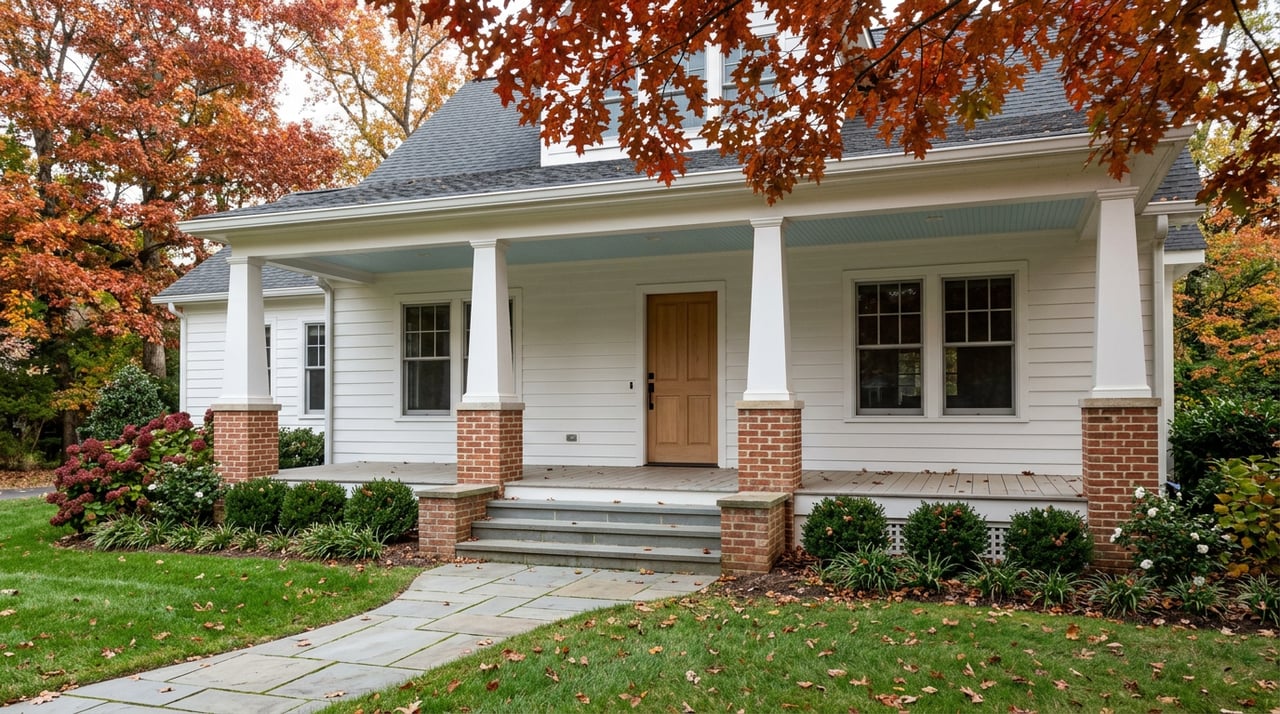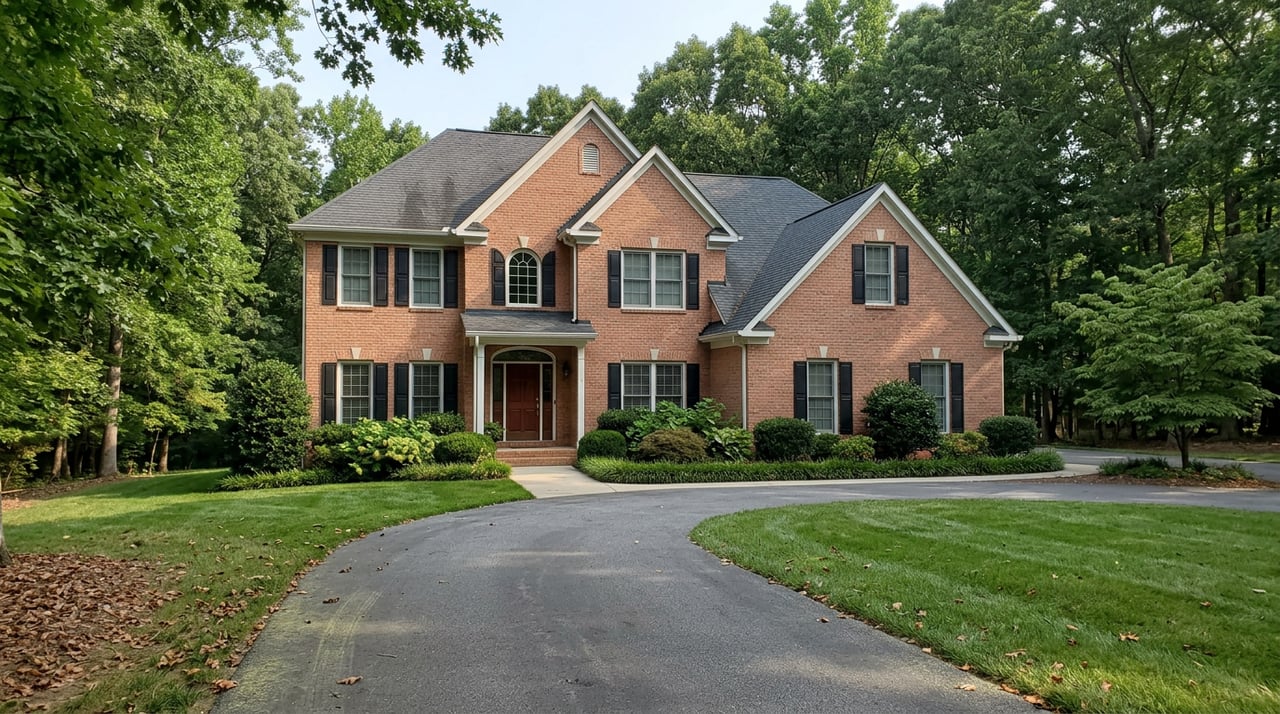
Two homes close in Milton the same month. Same decade of construction, same acre-plus lot, same brick facade an appraiser would call comparable. One seller walks away with full asking price. The other spends the last two weeks before closing negotiating a credit nobody saw coming until a stranger with a probe rod found it. The system itself wasn't the difference. The timing was.
That distinction matters more in Milton than almost anywhere else in North Fulton, because septic isn't a quirk that shows up on a handful of older lots here. It's the plumbing behind most of the city.
Milton Doesn't Run Its Own Sewer System
The City of Milton does not provide water or wastewater service to its residents. That's not a gap in coverage, it's how the city was set up from incorporation. Residents get water and sewer either privately or through Fulton County Water Services, and the city's own utilities page is blunt about the implication: if you don't pay a wastewater bill in Milton, you're almost certainly on a septic system.
Fulton County does run sewer infrastructure that touches parts of the area, including the Little River Water Reclamation Facility, which serves Milton and other fast-growing pockets of northwest Fulton County. But a treatment plant existing somewhere in the county doesn't mean a line runs to every lot. Large sections of Milton, especially the larger-acreage neighborhoods that gave the city its equestrian character, sit outside any sewer connection entirely. Local septic technicians who work the area routinely list White Columns, The Manor, Crabapple, Birmingham Crossroads, Deerfield, Freemanville, Hawks Ridge and Crooked Creek as their standard service territory, not exceptions they occasionally get called out to.
The soil under those lots adds a second layer. Techs who work Milton describe clay-loam soils with variable percolation and enough steep terrain that some properties need advanced treatment systems rather than a conventional gravity drain field. Larger homes on larger lots commonly carry 1,500-gallon-plus tanks instead of the standard 1,000-gallon size. None of this is a defect. It's just what the ground and the zoning require here.
The Report Doesn't Change. The Timing Does.
Georgia has no state law and no county ordinance requiring a septic inspection before a home sale. Fulton County hasn't codified a point-of-sale requirement either. In theory, a Milton seller could list a septic home tomorrow without ever having it looked at.
In practice, lenders make the decision for most sellers anyway. FHA and VA loans generally won't fund on a property where the appraiser flags signs of a failing system, and most conventional lenders still want documentation before they'll release funds. So the inspection almost always happens. What's actually optional is when.
That single choice is where the money lives. A pre-listing inspection puts a seller in the room while the problem is still small and private. A cracked lid, a degraded baffle, a buried access port that takes an hour to uncover: these typically cost a few hundred dollars to fix and can be handled quietly, on the seller's schedule, before a single buyer has seen a number. The same finding, discovered by the buyer's inspector during the due-diligence window under contract, becomes something else entirely: a repair demand, a request for a credit, a delayed closing, or in the worst case a walk-away with the seller back to square one and a disclosed issue now attached to the property's history.
Nationally, septic inspection results turn into an active negotiation point in something like 15 to 20 percent of transactions where a septic system is involved. Every one of those negotiations plays out differently depending on who found the problem and when.
Here's what that timing gap is worth in dollars:
| Item | Typical cost (2026) |
|---|---|
| Standard 1,000-gallon tank pump-out | $237–$375 |
| Basic visual inspection (no pump) | $200–$350 |
| Full county Performance Evaluation (with pump) | $400–$600 |
| Advanced system inspection (ATU, drip, mound) | $500–$750 |
| Price impact of a failed system discovered after contract | $10,000–$30,000 |
A pre-listing inspection costs roughly what a nice dinner for a family of four runs in a given month. A failure discovered mid-contract can erase a meaningful slice of the sale price. The system didn't get worse in the time between those two numbers. The seller just lost the option to be the one who found it.
What a Performance Evaluation Actually Covers
Fulton County's Environmental Health division issues a formal Performance Evaluation Report, using the state's Form 14.L, and it covers three things in sequence:
- Tank assessment. The inspector opens both compartments (Georgia has required two-compartment tanks on systems installed since February 2000), measures sludge and scum levels, checks the inlet and outlet baffles, and inspects the effluent filter for damage or blockage.
- Drain field evaluation. The inspector probes the field for standing water, saturated soil or surfacing effluent, and may run a hydraulic load test that flushes a large volume of water through the system to see how it handles the flow.
- Distribution system check. This confirms wastewater is reaching the field evenly rather than pooling at one point and stressing a single section of soil.
A full evaluation typically takes two to four hours in the field. The county's written report can then take one to three weeks to arrive after the site visit. That lag is worth building into any closing calendar, especially on a compressed timeline, because a buyer's lender may be waiting on that exact document before clearing to close.
Financing Changes the Math Again
Not every buyer's loan treats a septic finding the same way. FHA and VA appraisers are instructed to look for visible signs of malfunction, standing water or a sewage odor, and if they spot either one, the loan generally can't close until the issue is resolved and re-inspected. Conventional lenders tend to be more flexible and often only request an inspection if something is flagged. Cash buyers aren't required to inspect at all, though skipping it means absorbing whatever risk exists sight unseen.
This is where a pre-listing inspection pays for itself twice. A seller who already holds a clean, dated report can move an FHA or VA buyer through underwriting without the appraisal turning into a renegotiation, and that report becomes part of the listing packet rather than a scramble assembled during a financing deadline.
Reading a Disclosure That Says "Don't Know"
Georgia's standard seller disclosure asks directly whether the sewer system is public, private or septic, and whether well water has ever tested unsafe to drink. A seller who genuinely doesn't know the answer can mark it that way, and doing so isn't itself a violation. But it shifts the burden of finding out onto the buyer, which is exactly why an inspection matters more on a septic property than a sewer-connected one. There's no municipal record standing behind the system the way there is with a city sewer line. The tank, the field and the history live entirely with whoever has owned the house.
A Few Questions Worth Settling Early
Does Milton require a septic inspection before I can sell? No. Neither the state nor Fulton County mandates one. Most sales end up with an inspection anyway because lenders require it, which is exactly why timing it yourself is the only real lever you have.
What if there are no records for my system at all? This is common on pre-1980s homes. Any repair or modification to a septic system in Fulton County requires a permit through the county's Environmental Health office, so that office may still have a record on file even if you don't. Requesting it early, before a buyer's attorney asks for it, gives you time to fill any gaps on your own terms.
Does a private well change anything? Yes. A well adds a second disclosure item and typically a separate water potability test, distinct from the septic evaluation, and it's worth confirming both before a property goes on the market rather than during a buyer's due-diligence window.
The Bottom Line for Milton Sellers and Buyers
The septic system on a Milton property is going to get inspected. That much is close to certain given how lending works. What isn't certain, and what actually moves the number at closing, is who orders that inspection and when. Ordering it before you list turns a potential negotiation into a line item you controlled. Waiting for the buyer's inspector to find it hands that same information to the other side of the table, at the moment it's worth the most to them and the least to you.
If you're weighing a listing in Milton, whether it's a wooded acre off Freemanville or a gated lot in White Columns, One Nest Georgia includes a no-cost pre-listing consultation as part of every seller engagement, and that conversation is exactly where timing questions like this one get answered before they become negotiating points. Reach out and let's walk your property's specific timeline before a due-diligence deadline decides it for you.