If you want top dollar for your Alpharetta home, your list price has to be right from day one. Buyers here are informed and price sensitive, and the market has cooled from the frenzy of 2021–22. In this guide, you’ll learn how to read today’s numbers, build a smart pricing strategy, and adjust quickly if the market sends a signal. You’ll also get a practical checklist to help you launch with confidence. Let’s dive in.
Alpharetta market snapshot
Alpharetta remains a high‑value suburban market, with recent snapshots showing typical or median prices generally between about $709,000 and $800,000. That range reflects different methods across portals, including Zillow’s Alpharetta home value index and Redfin’s local market update, along with Realtor.com’s city overview. Days on market have stretched into a roughly 50 to 75‑day window across recent reports, which points to a more deliberate pace and picky buyers.
Inventory has also increased compared with the tightest years. Realtor.com recently showed hundreds of active listings and a sale‑to‑list ratio near 98 percent in its Alpharetta city page. The takeaway for you: price selection and early feedback matter more than ever.
What drives price in Alpharetta
Use true comps, not citywide averages
Start with comparable sales in your micro‑market. Alpharetta includes distinct areas like Windward, Crabapple, Ocee, and the downtown core, and they can perform very differently. Look at 3 to 6 recent closed sales in your subdivision or within a short drive, then add pending sales for direction and active listings as your competition. Closed sales set the benchmark, while pendings and actives tell you where demand and supply sit today. A quick portal overview can provide context, but rely on a formal CMA for precision and adjustments. You can review a public primer on how CMAs work in Realtor.com’s home value guide.
School zones and buyer demand
School boundaries often shape search patterns for family buyers. Local public high schools in Alpharetta show strong ratings on public sites like GreatSchools’ Alpharetta High School page. National analyses also find that top‑rated districts commonly see pricing premiums, though the exact amount varies by area; see this summary of district trends via a Realtor.com report covered by Barchart’s market news. To quantify the effect for your home, compare comps inside and just outside the same school boundary in your CMA rather than citing a generic percent.
Condition, updates, and staging
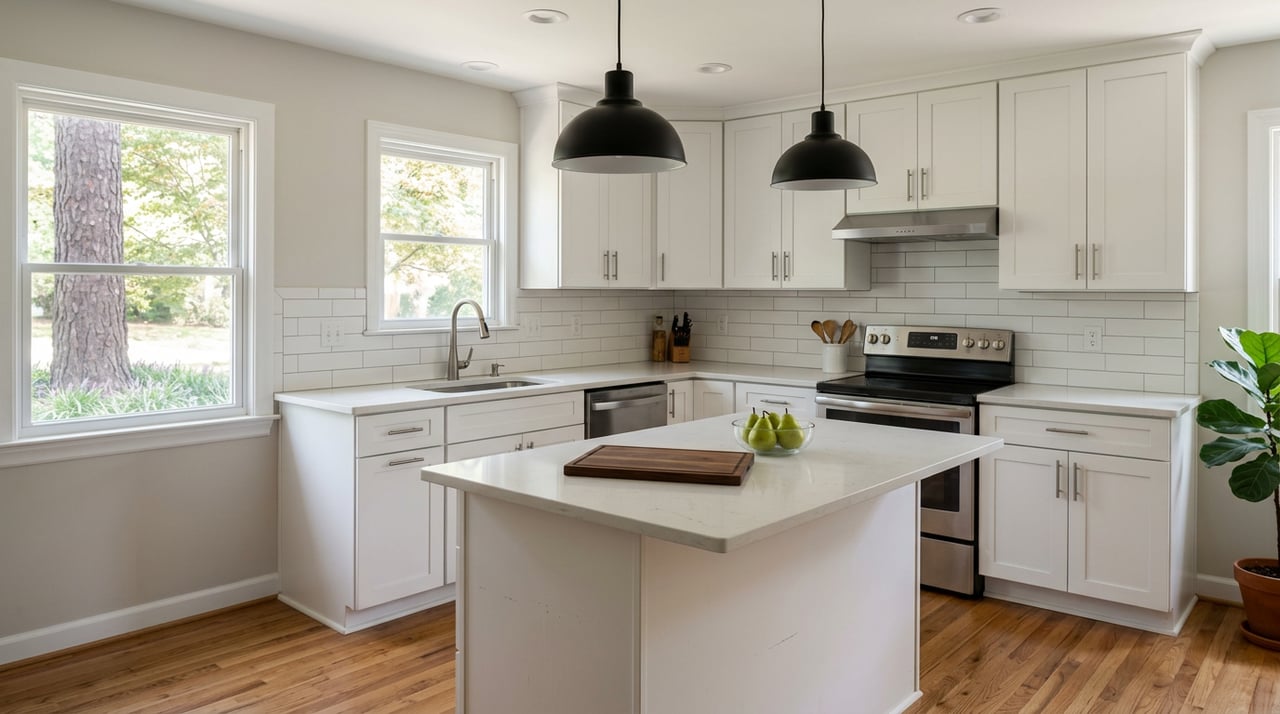
Presentation changes outcomes. Industry surveys report that staging helps buyers visualize a home, often shortens time on market, and, in some cases, leads to modestly higher offers. Review the National Association of Realtors’ findings in NAR’s staging report. Prioritize high‑ROI steps like fresh neutral paint, deep cleaning, curb appeal, and targeted staging in the living room, kitchen, and primary bedroom.
Price per square foot is a cross‑check
Use price per square foot as a sanity check, not the driver. It varies with bedroom and bath count, floor plan, lot size, garage space, pool, and age. Apples‑to‑apples comps beat raw $/ft every time. For a clear explainer, see Realtor.com’s guide to how agents estimate value.
Timing and seasonality
Many Atlanta‑area sellers see strong activity from April through early summer. Zillow’s research highlights the first half of June as a favorable period in many metros, though your personal timing may matter more than squeezing for a seasonal edge. You can skim the broader trends in Zillow’s best‑time‑to‑sell guide.
How agents set the list price
Build a complete CMA
A strong CMA gathers recent closed sales, pending sales, current actives, and even expired or withdrawn listings to spot pricing traps. It also shows market stats like days on market, price per square foot, and months of supply. The time window is usually 3 to 6 months, tightened or widened based on how fast the market is moving. For a consumer overview of these inputs, start with Realtor.com’s CMA primer.
Make thoughtful adjustments
Your agent will adjust comps for measurable differences like square footage, bedroom and bath count, and lot size. They will also use judgment on condition and upgrades. Remember that an appraisal leans on closed comps and may not fully capture short‑term bidding dynamics. The market price is what a motivated buyer will pay today. Your CMA should document how each adjustment supports the recommended list range.
Choose a strategy you can defend
- Price at market: List near the middle of your CMA’s supported range. This reduces the risk of sitting stale or running into an appraisal gap.
- Slightly under market: List just below the heart of demand to boost showings and spark competition. This can help if you want a quicker sale.
- Aspirational price: List above the supported range only if the home is unusually upgraded or unique. Expect longer market time and possible price reductions.
Also consider search bands. Even small changes can shift visibility in buyer filters. For example, $999,900 can reach a wider audience than $1,000,000 because it stays within a lower search bracket.
Watch early signals and act
The first 7 to 21 days tell the story. Track showings per week, online views and saves, buyer feedback, and incoming offers. If activity falls short of what your CMA suggested, one meaningful price adjustment is usually more effective than several tiny cuts. Set a check‑in at 10 to 14 days to decide on course corrections.
Your Alpharetta pre‑list checklist
- Address safety or structural issues first, like roof leaks or obvious HVAC problems.
- Deep clean, declutter, add neutral interior paint, and refresh curb appeal.
- Order professional photography, a clear floor plan, and a 3D tour when possible.
- Stage high‑impact rooms. NAR data shows the living room, primary bedroom, and kitchen offer the most value.
Metrics to watch after you launch
- Showings per week: A direct measure of buyer interest.
- Online views, saves, and portal rank: Early signals of discoverability.
- Offers and quality: Look at price, contingencies, and closing timeline.
- Days on market and price‑reduction cadence: The first two to three weeks are pivotal.
- Months of supply in your price band: Roughly below 4 months favors sellers, around 5 to 6 months is more balanced, and above 6 months leans to buyers. See how economists define and use this metric in Realtor.com’s market research.
Simple scenarios to make it real
- Scenario A: Local comps cluster from $700,000 to $740,000. Your home has a documented, recent kitchen remodel. A supported list range could be about $735,000 to $755,000 if time allows, or you might launch near $725,000 to increase traffic if speed is the priority. The logic: start with closed comps, adjust for the upgrade, and match the strategy to your timeline. This is for illustration only; always finalize with a fresh CMA.
Why a broker‑led local team helps
Setting the right price is part data, part strategy, and part presentation. Local broker‑led teams that publish neighborhood stats in real time and include pre‑listing preparation, such as a no‑cost consultation and professional photography, help you launch with confidence. That is the model at One Nest Georgia, a boutique Alpharetta brokerage led by Broker/Owner Dan Rohrer. If you want a clear price plan and turnkey prep, we are here to help.
FAQs
How should I price above or below recent Alpharetta sales?
- Ask your agent to show a CMA with a supported range, then choose a strategy based on your goals: at‑market for balance, slightly under for speed and competition, or premium pricing if your home is truly unique.
Will staging pay for itself in Alpharetta?
- Industry surveys show staging often shortens time on market and that some agents report modest improvements in offers; focus first on the living room, kitchen, and primary bedroom for the best return.
Should I wait for late spring to list in Alpharetta?
- Late spring to early summer often performs well, and Zillow highlights early June as favorable in many metros, but your personal timing and a strong launch plan often matter more than waiting for a narrow window.
What if nearby listings look cheaper than my home?
- Compare true apples to apples by school boundary, square footage, lot, age, and condition; cheaper actives that lack your features or upgrades are not direct comps and should be weighted accordingly in the CMA.
How fast should I adjust if showings are slow?
- Review data after 10 to 14 days; if showings and saves trail expectations from the CMA, consider a single, meaningful adjustment rather than multiple small cuts to re‑energize buyer interest.