
Your home may be your biggest financial asset and investment, but once you decide to sell, everyone will agree that it's also more of an emotional journey. After all, you’re not just leaving a home that you loved—you’re ending a “love affair” with a place you’ve had for a long time and have lots of memories tied to it. It’s where you’ve raised your family, held countless Thanksgiving (or friendsgiving) dinners and parties, so it’s completely normal to be sad about moving.

If you are not able to deal with the emotional stress of selling your property, it can hinder you and your realtor from achieving your goals and creating your ideal financial result. This is why it's worthwhile to take into account the emotional attachment you have with your home. Here are some tips to get you through what can be a taxing sales process, especially if you fail to deal with it early.
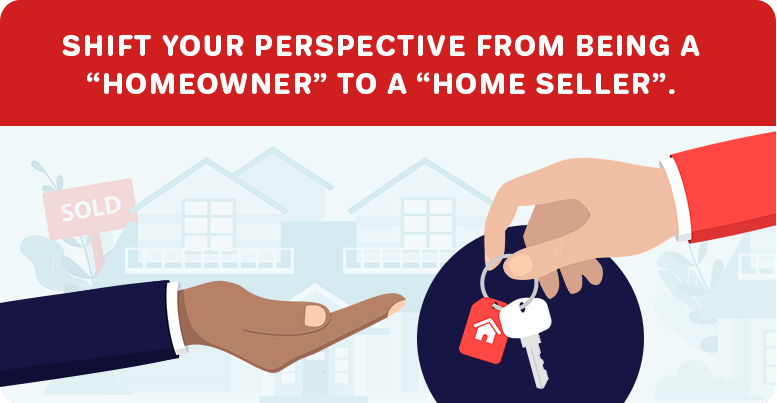
If you're having apprehensions about selling your property, try to reframe your mindset and start thinking that you’re no longer a “homeowner” but a “home seller.” This will help you adopt a more objective attitude towards the process and gradually accept that your home is now a product you have to sell and that others will hopefully want to buy. Changing your perspective might take some time, so don’t be afraid to give yourself a few weeks or months to separate your emotions and set your expectations right.
It might be helpful to do some research, such as talking to friends who have sold their homes or reading about other people’s home-selling journeys, so you’ll have a clearer idea of what you are getting into. Doing your due diligence will also help make the transition easier.

When preparing to list your home for sale, one crucial step is to make it less personal. Remove framed family portraits, mementos, travel souvenirs, diplomas—anything personalized that screams “you own this home.” The main goal is to make it easier for potential buyers to envision themselves living there.
Packing up your photos and mementos early will also help you as a seller to let go emotionally. Likewise, try to change small elements of your home you’ve come to love, such as wall colors in the bedroom or dining room. Once you’re used to not seeing them, it becomes easier to detach yourself and view the home as merchandise waiting to be sold. Remember, the house doesn’t hold the memories—you and your family do.
Remember the adage, “home is where the heart is.” Think of home in terms of the people you love rather than the physical space. Whether it’s your spouse, children, parents, or friends you treat as family, your real home is wherever the people you love are.
Take photos of the property, revisit old memories, and reminisce about how you all loved living there. This process will help you accept your emotions throughout the home sale.

It's natural to be anxious and stressed about moving. You may even grieve the memories you’ve had at your home. But remember the reason why you’re selling and what you’ll gain afterward.
List these reasons out and refer to them when you feel down. Whether you’re downsizing to save money, need to free up equity to pay off debts, or relocating for retirement or family, focus on these positive outcomes instead of dwelling on leaving your beloved home. By thinking positively about the changes, you can look forward to moving on to a new home as another adventure.
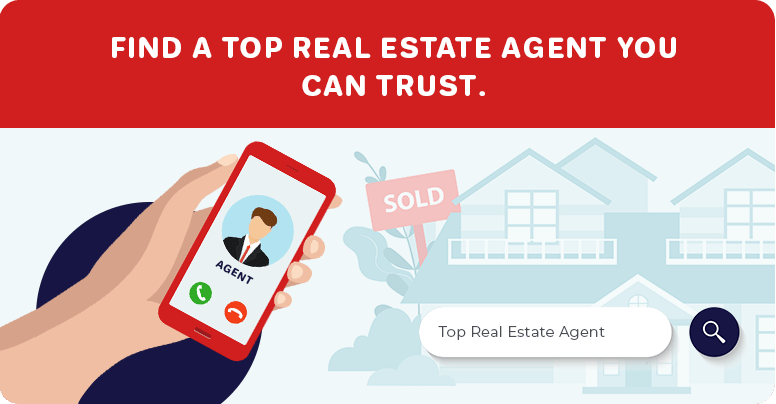
Once you know your “why” and establish your goals, it’s crucial to hire a realtor who can guide you through the home-selling process. A top realtor will help you sell your home while taking care of your emotional and financial well-being.
They will market your home, negotiate deals, review purchase offers, and guard your interests. Most importantly, your agent maintains emotional detachment, treating the sale as a business transaction. Trusting your realtor allows you to focus your energy on finding your next home and makes the process less stressful and more enjoyable.